Understanding the 24000 BTU Mini Split Air Conditioner
As climate conditions fluctuate and energy costs rise, homeowners increasingly seek reliable and efficient solutions to maintain comfortable indoor environments. A great option for this purpose is the 24000 btu mini split air conditioner, particularly suited for larger spaces. This article delves into the essential characteristics, benefits, and functionalities of mini split air conditioning systems, helping you make an informed decision for your home cooling needs.
What is a Mini Split Air Conditioner?
A mini split air conditioner is a type of ductless air conditioning system that offers flexibility and efficiency. Unlike traditional central air systems, mini splits consist of two main components: an outdoor compressor unit and one or more indoor air-handling units. This design allows for individualized temperature control in different areas of the home, making it ideal for both cooling and heating spaces without the need for ductwork.
Key Features of 24000 BTU Units
- Cooling and Heating Capabilities: The 24000 BTU mini split can effectively cool areas up to 1500 square feet, making it a powerful choice for open-plan living spaces or larger rooms.
- Energy Efficiency: Many models feature high SEER ratings, ensuring lower energy consumption and reduced utility bills.
- Quiet Operation: Designed to operate at lower noise levels than traditional AC systems, mini splits provide a comfortable environment without disruptive sounds.
- Zone Control: Mini split systems allow users to cool or heat specific areas, thus optimizing energy use and comfort throughout the home.
Benefits of Mini Split Systems for Home Cooling
Mini split systems have become increasingly popular for their numerous advantages. Some core benefits include:
- Flexible Installation: Mini splits can be installed in various configurations, including wall-mounted and ceiling-mounted options, allowing for adaptability to the home's layout.
- Improved Indoor Air Quality: These systems use advanced filtration technologies that contribute to cleaner air, reducing allergens and pollutants within the home.
- Aesthetics: With sleek designs, mini split units can be less obtrusive than bulky window units or traditional ductwork.
- Environmentally Friendly: The use of inverter technology in many models allows for lower energy consumption and reduced greenhouse gas emissions.
Installation Guide for 24000 BTU Mini Split Air Conditioners
Proper installation of a mini split system is crucial for optimal performance and longevity. Here’s a guide to help you navigate the installation process.
Preparing Your Space for Installation
Before installation, ensure your home is ready for the mini split system. This includes:
- Identifying the best locations for both the indoor and outdoor units.
- Ensuring that there is sufficient clearance around the outdoor unit for airflow.
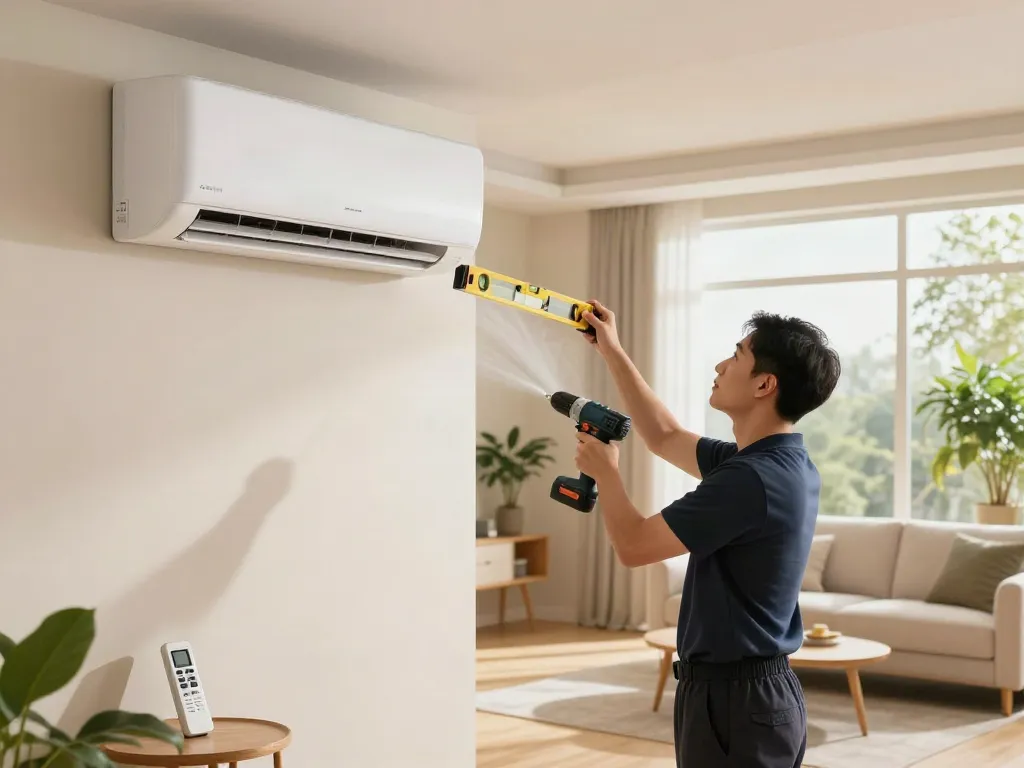
- Placing the indoor unit at a height that allows for even air distribution.
Step-by-Step Installation Process
Follow these general steps to install your 24000 BTU mini split system:
- Mount the Indoor Unit: Secure the mounting bracket to the wall and hang the indoor unit.
- Install the Outdoor Unit: Position the outdoor unit on a stable base, ensuring it's level.
- Connect Refrigerant Lines: Carefully connect the refrigerant lines between the indoor and outdoor units, ensuring no leaks.
- Electrical Wiring: Connect the electrical wiring according to the manufacturer's guidelines.
- Vacuum the System: Before charging the system, use a vacuum pump to remove moisture and air from the refrigerant lines.
- Test the System: Turn on the unit and check for any leaks or operational issues.
Common Installation Mistakes to Avoid
Avoiding key mistakes during installation can save time and money. Common errors include:
- Improper placement of the indoor unit, leading to inefficient air distribution.
- Neglecting proper sealing of refrigerant lines, which can cause leaks.
- Connecting the system to the wrong power supply, risking damage to the system.
Maintenance Tips to Ensure Efficiency
To extend the life of your 24000 BTU mini split air conditioner and maintain its efficiency, follow these maintenance tips.
Regular Cleaning and Inspection Procedures
Routine maintenance is essential for optimal performance. Consider the following:
- Clean or replace air filters: This should be done every 1-3 months to maintain airflow and air quality.
- Inspect the outdoor unit: Ensure it is free from debris, leaves, and obstructions that can hinder airflow.
- Check refrigerant levels: Low refrigerant can indicate leaks and should be addressed by a professional.
Signs You Need Professional Service
Be observant for signs that may indicate professional intervention is necessary:
- Unusual noises from the unit.
- Inconsistent temperature control.
- High energy bills without a logical explanation.
Maximizing Energy Efficiency in Your Mini Split
To ensure your mini split system operates at peak efficiency:
- Utilize programmable thermostats to regulate temperatures based on occupancy.
- Seal any gaps around doors and windows to prevent air leaks.
- Consider seasonal maintenance checks to address potential issues proactively.
Comparing Brands and Models of Mini Split Systems
With a variety of brands and models available, choosing the right mini split system can be daunting. This section provides a comparative overview.
Top Rated 24000 BTU Mini Split Brands for 2026
Some of the most reputable brands on the market include:
- Mitsubishi: Known for their durability and advanced technology.
- LG: Offers a wide range of user-friendly features and aesthetic designs.
- Senville: Provides cost-effective options without compromising efficiency.
Comparative Analysis of Features and Costs
Understanding the features that each brand offers can help in making a wise investment:
- SEER Rating: Compare energy efficiency ratings to gauge long-term savings.
- Warranty Offerings: Evaluate the length and terms of warranties for added peace of mind.
- Additional Features: Look for models with smart technology integrations for enhanced control.
Consumer Reviews and Recommendations
Reading consumer reviews can provide insight into real-world performance and reliability. Seek feedback on:
- User satisfaction regarding installation processes.
- Energy costs noted after installation.
- Durability and longevity of the unit.
Future Trends in Home Cooling Solutions
As technology advances, the air conditioning industry is evolving. Here’s a look at emerging trends that could shape the future of home cooling solutions.
Emerging Technologies in Mini Split Systems
In recent years, mini split systems have seen significant technological improvements:
- Smart Home Integration: Features that allow you to control your system remotely through apps.
- Inverter Technology: Increasing efficiency by automatically adjusting the compressor speed.
Sustainability and Energy Efficiency Trends
As environmental awareness grows, the push for sustainable practices in HVAC systems is becoming more pronounced:
- Eco-friendly refrigerants: Many manufacturers are transitioning to refrigerants with lower global warming potential.
- Enhanced energy savings: Models with higher SEER ratings are being prioritized to meet consumer demand.
The Impact of Smart Home Technology on Air Conditioning
With the rise of smart technologies, mini split systems are benefiting from enhanced functionality:
- Remote Control Capabilities: Homeowners can now monitor and adjust temperatures from their smartphones.
- Integration with Smart Home Systems: This allows for seamless interaction with other smart devices for enhanced comfort.
What are the installation costs for a 24000 BTU mini split air conditioner?
Installation costs can vary significantly based on specific factors, including location and complexity of the installation. On average, homeowners can expect to pay between $2,000 to $4,500.
How energy-efficient is a 24000 BTU mini split air conditioner?
Most 24000 BTU mini split systems have SEER ratings ranging from 16 to 22, indicating high energy efficiency compared to central units.
What are the best practices for maintaining a mini split system?
Best practices include regular filter cleaning, professional annual maintenance checks, and promptly addressing any signs of system malfunction.
How does a mini split compare to traditional AC units?
Mini splits typically offer greater energy efficiency, flexibility in cooling different zones, and eliminate the need for ductwork, making them advantageous for many homeowners.
What size room is a 24000 BTU mini split suitable for?
A 24000 BTU mini split is ideal for spaces around 1,000 to 1,500 square feet, depending on factors such as insulation and heat load conditions.